West Corsica
Porto, Scandola and the Calanques de Piana -- the most spectacular stretch of coastline
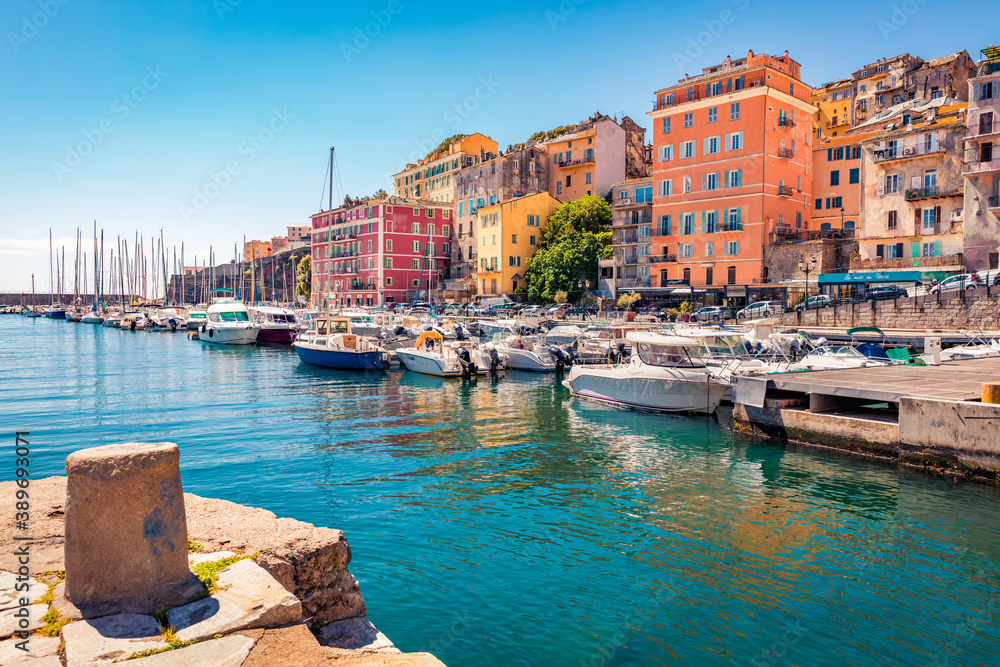
The west coast of Corsica is where the island shows its most dramatic face. Red rock walls plunge into turquoise water, inaccessible nature reserves protect a coastline that has barely changed in centuries, and to the south lies Ajaccio, Napoleon's birthplace. This is Corsica at its most awe-inspiring.
West Corsica: between wild cliffs and imperial elegance
There are places on Corsica that stop you in your tracks. The west coast is one of them. Anyone seeing the Gulf of Porto for the first time, with those absurdly red rocks that seem to glow in the late afternoon light, understands why UNESCO placed this area on the World Heritage List. And that's before you've even seen Scandola or the Calanques de Piana.
The landscape along the west coast is raw and vertical. Cliffs hundreds of metres high drop straight into the sea, interrupted by small inlets reachable only by boat. The mountains reach right to the water here, which means the coastal road -- the famous D81 -- threads itself like a ribbon across ledges and through tunnels. It's one of the most beautiful driving routes in Europe, but count on going slowly. The bends are sharp, the road is narrow, and you'll want to stop every hundred metres for the view.
Insider tip Drive the D81 between Porto and Ajaccio preferably in the afternoon. The sun is in the west then, colouring the red rocks of the Calanques at their most beautiful. Allow two to three hours for the stretch, including photo stops.
Porto is the centre of this section of coast, though it's more of a hamlet than a town. The village sits tucked into a valley where the Porto river meets the sea, guarded by a Genoese tower. Boat excursions to Scandola and Girolata depart from here, and it's the logical base if you want to explore the Calanques.
The Scandola Nature Reserve is only accessible by water -- no roads lead there. That's what makes it special: the rock formations of red porphyry, the caves, the sea eagles and the incredibly clear sea have been preserved precisely because people can hardly reach it. A boat trip of two to three hours from Porto takes you along it, and en route you pass the remote village of Girolata, reachable only by boat or on foot.
The Calanques de Piana lie south of Porto and may well be the most photogenic stretch of coast in all of Corsica. The red granite rock formations have been sculpted by wind and water into bizarre shapes -- towers, arches, animal silhouettes. The D81 winds right through them. You can stop at car parks along the road and take short walks among the rocks, or descend to hidden swimming spots below.
Heading further south, the landscape gradually becomes less wild. Beyond Cargese -- a village with a striking Greek church, founded by Greek refugees in the seventeenth century -- the coast opens up into wider bays. The Gulf of Sagone is broader and gentler, with sandy beaches and less bustle than the better-known coastlines.
And then there's Ajaccio, the capital of the Corse-du-Sud department and the birthplace of Napoleon Bonaparte. Ajaccio feels different from the rest of the west coast. It's a real city, with a seafront boulevard, a lively market, museums and restaurants. The Maison Bonaparte, Napoleon's birthplace, is a museum in the old centre. The Musee Fesch houses a surprisingly fine collection of Italian paintings.
The contrast between the wilderness of Scandola and the urban elegance of Ajaccio is what makes the west coast so fascinating. In a single day you can drive from one of the most unspoilt coastlines in the Mediterranean to a terrace on a palm-lined promenade. That's the charm of this part of Corsica: extremes within short distances.
Insider tip Ajaccio has a large selection of hotels and campsites and therefore makes a great base for the west coast. It's also a good place to pick up a rental car if you're arriving by ferry.
The west coast draws many visitors but rarely feels truly crowded. The roads are too narrow for mass tourism and most beaches are only accessible via hiking trails. In July and August the car parks at the Calanques can fill up, so leaving early is wise. But even in high season you'll find corners of the west coast where you're completely alone -- if you're willing to walk a bit.