South Corsica
Bonifacio, Porto-Vecchio and the most beautiful beaches on the island
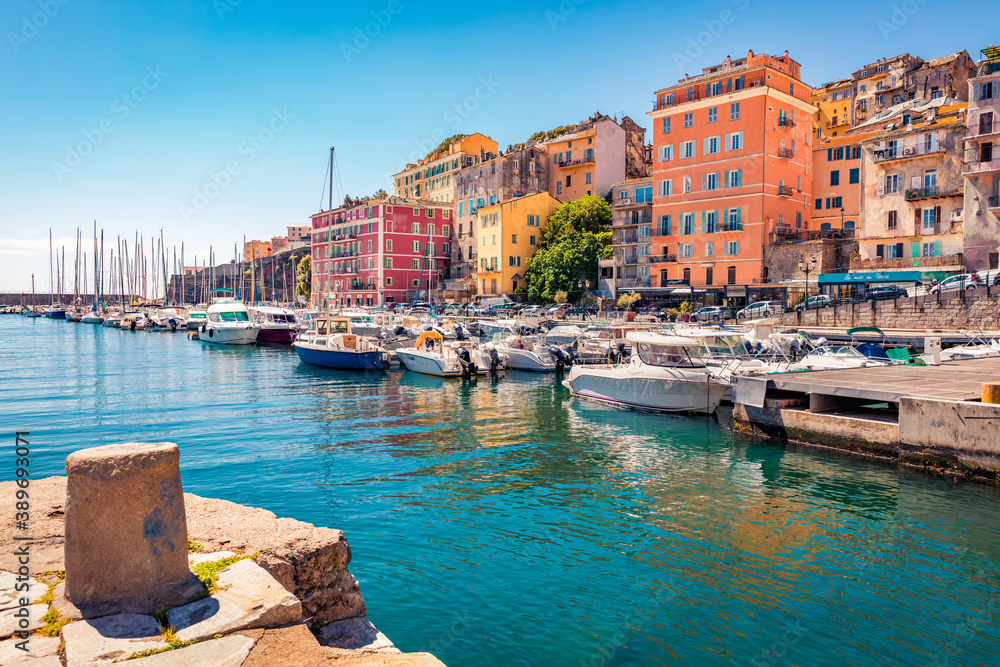
The south of Corsica is the part everyone pictures. White sandy beaches with turquoise water, dramatic limestone cliffs and the island's best-known resorts. Yes, it's busy in summer, but it's also exactly as beautiful as the photos promise.
South Corsica: where the island makes its postcards
If any part of Corsica has shaped the island's reputation, it's the south. The beaches around Porto-Vecchio are legendary: Palombaggia with its red rocks and umbrella pines, Santa Giulia with its shallow lagoon that looks more Caribbean than Mediterranean, and the slightly more tucked-away Tamaricciu for those willing to walk a bit. These are beaches where you arrive early in the morning and don't leave until the sun drops behind the mountains.
Porto-Vecchio itself is a pleasant harbour town with a compact old centre above the marina. The Place de la Republique is the social hub, with terrace cafes under plane trees and views over the gulf. It's not a town you'd spend days exploring, but it has enough restaurants, markets and little shops to fill an evening or two. The harbour really comes alive in July and August, when yachts lie side by side.
Insider tip The beaches around Porto-Vecchio are already busy early in high season. Drive to Palombaggia before 9 am to find a spot without paying for parking. After 5 pm it's quieter too, and the light is at its most beautiful.
A little further south the landscape changes dramatically. The coast becomes wilder, the rocks sharper, and then Bonifacio appears on the cliffs like a medieval fortress above the sea. This may well be the most photogenic spot on all of Corsica. The town literally hangs over the water, with houses that seem to lean out over the edge of the limestone cliffs. From the harbour you can see Sardinia on clear days, just twelve kilometres across the Strait of Bonifacio.
What makes the south special is the contrast. Along the coast it's busy, organised and touristy. But drive half an hour inland and you're in a completely different world. The Bavella mountains rise up as granite needles above dense pine forests. The Col de Bavella at around 1,200 metres offers breathtaking views and is the starting point for hikes ranging from gentle forest walks to serious mountain treks. The famous Trou de la Bombe, a natural hole in the rock face, is a popular short hike.
Insider tip Combine a beach day with a morning in the Bavella. Leave early, hike for an hour and then drive back down for an afternoon on the sand. The temperature differences are striking: at the col it can be ten degrees cooler than on the coast.
Between Porto-Vecchio and Bonifacio lies the Golfe de Santa Manza, a wide bay with quieter beaches and less infrastructure. Here you'll find a few good surf schools and the water is almost always clear. It's the kind of place where you accidentally spend an entire afternoon when you'd actually planned to drive on.
The south of Corsica deserves its popularity. The combination of beaches ranked among the finest in Europe, a fortified town that's unlike anything else, and mountains half an hour's drive away makes it unique. But precisely because it's so well known, timing matters. In May, June and September you'll have the beaches almost to yourself. In July and August you share them with half of France. Both are lovely, but the experience is completely different.
The roads in the south are generally good, better than in many other parts of Corsica. The N198 along the east coast is fast and wide, while the D-roads to the beaches and interior become narrower but are perfectly manageable. Only the road to Bavella has some serious hairpin bends, but the views along the way make up for everything.
Insider tip Book accommodation in the south well in advance if you're going in high season. Campsites around Porto-Vecchio are often fully booked by March for July and August. Outside the season you can easily find last-minute deals.